Gain the essential skills and confidence to respond to life threatening emergencies with this Basic Life Support training course. Designed for health and social care professionals and workplace settings, this course focuses on immediate response techniques that can help save lives in critical situations.
Basic Life Support, often referred to as BLS, is a key component of emergency care. This training ensures learners can recognise when someone is unresponsive, act quickly, and provide effective support until emergency services arrive. It plays an important role in both clinical and non clinical environments, helping to improve outcomes and protect life.
Aligned with health and safety expectations and best practice guidance, this course supports organisations in ensuring staff are prepared to deal with emergency situations. It also contributes to Care Quality Commission expectations around safe care and staff competence within health and social care settings.
Training can be delivered at your workplace or at our dedicated training room in Yeovil, Somerset, providing a flexible and professional learning environment.
What this course offers
This course provides a clear and practical approach to basic life support, giving learners the skills needed to act quickly and effectively in emergency situations. Participants will learn how to assess a casualty, recognise signs of cardiac arrest, and respond appropriately.
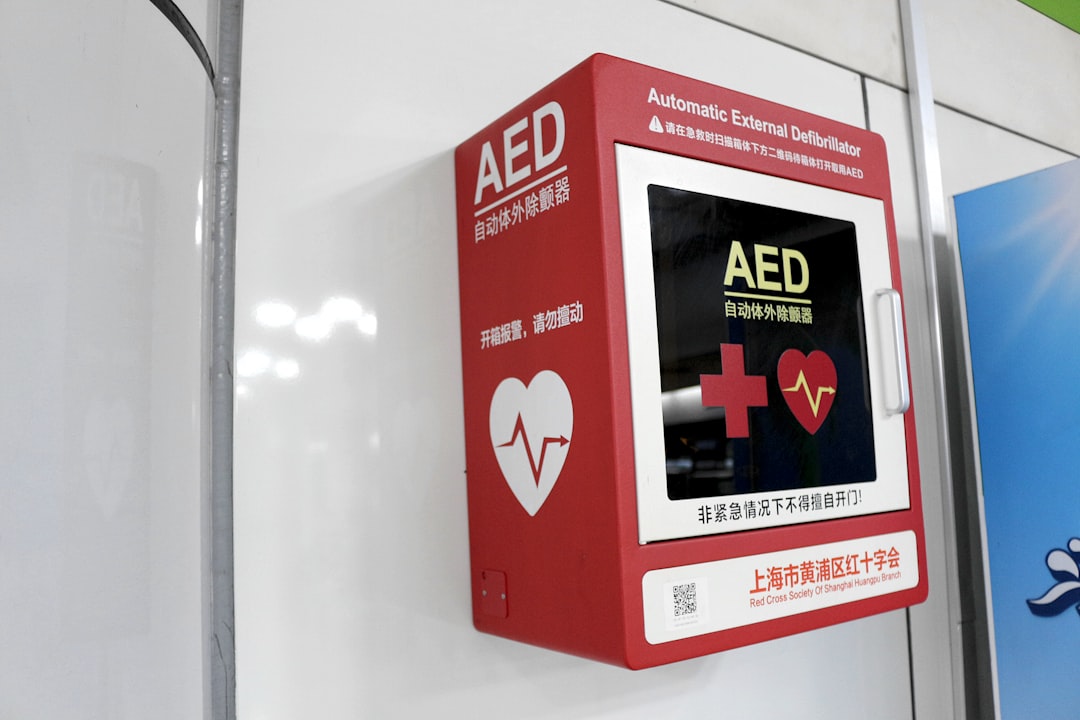
Key skills include cardiopulmonary resuscitation and the safe use of an automated external defibrillator. Learners will also cover the recovery position, how to manage an unresponsive casualty, and how to respond to choking incidents.
A strong emphasis is placed on practical learning, allowing participants to practise techniques in a supportive environment and build confidence in their ability to respond. The course also highlights the importance of clear communication and working as part of a team during emergencies.
Why this training matters
In emergency situations, immediate action can make a significant difference to survival outcomes. Without the right training, individuals may feel unsure or unable to respond effectively, which can delay life saving intervention.
This course helps ensure staff are prepared to act quickly and confidently, improving safety in the workplace and within care environments. It supports organisations in demonstrating that staff are trained and competent, which is in line with expectations from regulators such as the Care Quality Commission and health and safety guidance.
For learners, it provides vital skills that can be used both in professional settings and everyday life, increasing confidence and readiness to respond when it matters most.
Course benefits
Learn essential life saving skills for emergency situations
Develop confidence in performing cardiopulmonary resuscitation
Understand how to use an automated external defibrillator safely
Improve response to unresponsive casualties and choking incidents
Support compliance with health and safety and care standards
Enhance workplace safety and preparedness
Receive a certificate of completion
Certification and progression
On successful completion, learners receive a certificate, supporting their competence in basic life support. This course can support progression into further first aid or healthcare related training.