Back to all training

Epilepsy & Buccal Medication

This course provides a thorough understanding of epilepsy, including seizure types and safe administration of buccal midazolam. It is ideal for care staff needing to support individuals with epilepsy confidently and effectively.

6 hours Up to 12 Cert valid 2 years
Epilepsy & Buccal Medication

This course provides a thorough understanding of epilepsy, including how seizures start, how they present, and how to give safe and effective support during and after a seizure. Learners explore the causes and effects of epilepsy, different seizure types such as tonic-clonic and focal seizures, and how to recognise indicators that a seizure is beginning or progressing.

The training covers how epilepsy affects daily lifestyle and wellbeing, along with essential risk assessing and care planning steps that help reduce avoidable risks. Staff are introduced to complex situations such as prolonged seizures, status epilepticus, and the risk of SUDEP, helping them understand when emergency action is required.

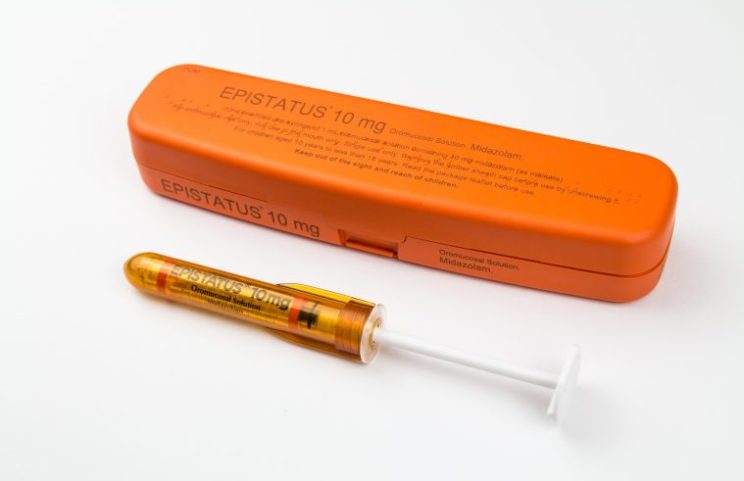
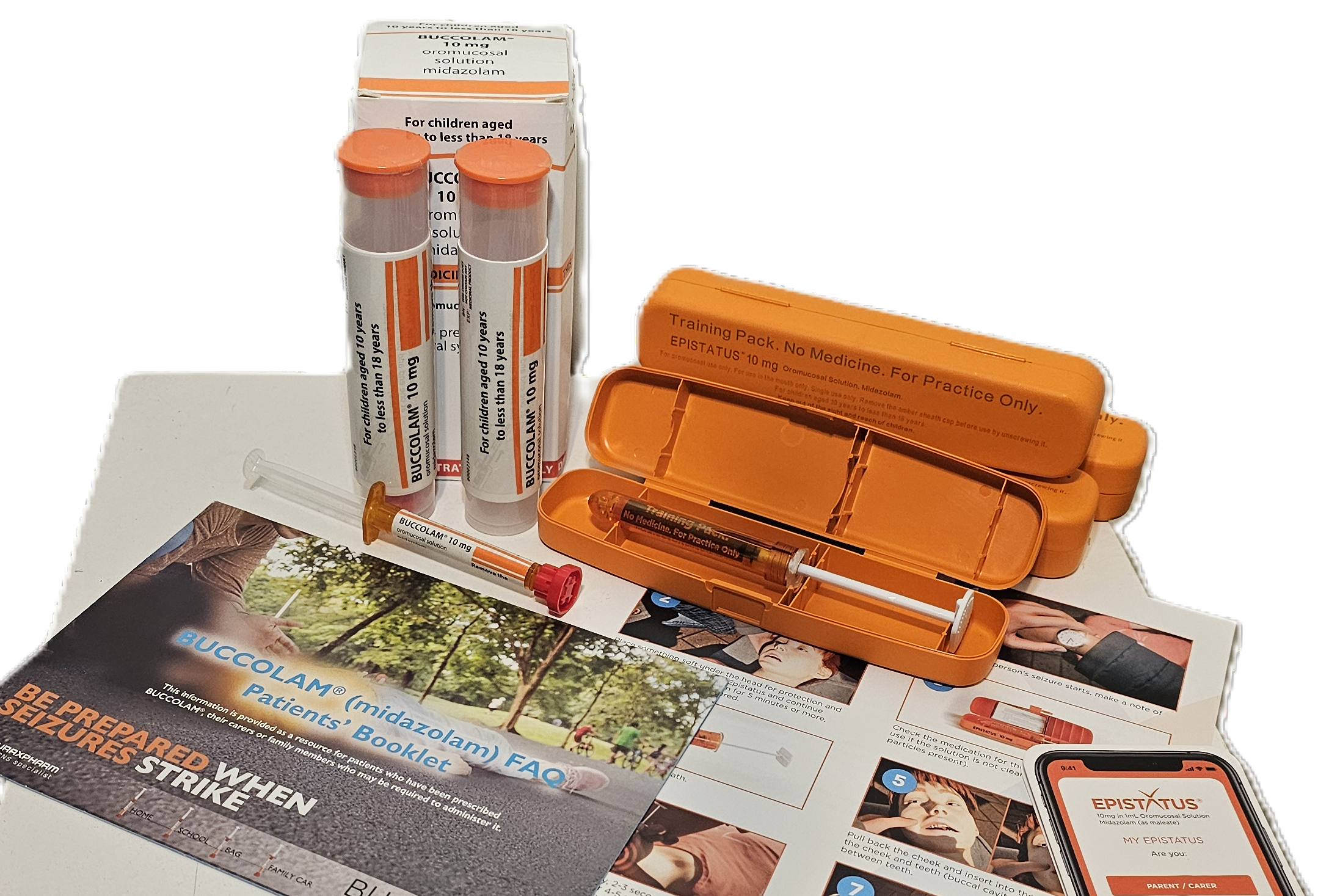
A key component of the course is hands on practice with buccal midazolam administration using training devices. Learners are guided through correct technique, safety checks, and when rescue medication should be given. The training ensures staff feel confident, informed, and prepared to support people with epilepsy in a safe and responsive way.

Learning objectives

  • What is and what causes Epilepsy.
  • Identify different types of seizures.
  • Understand how a diagnosis is made and know the different treatment options.
  • Know the importance of care planning and risk assessment process.
  • Know how to support someone experiencing a seizure and the impact on lifestyle.
  • Identify status epilepticus and understand the risk of SUDEP.
  • Administration of Buccal Oromucosal Midazolam.

Who should attend

Support workers

Care assistants

Senior care staff and team leaders

Anyone responsible for supporting individuals with epilepsy or administering buccal rescue medication

Prerequisites

  • Be trained in Medication Administration

Frequently asked questions